
Economía y finanzas
Costo de la vida
Por orden de Anna Botín, los residentes en España comenzarán a recibir una renta financiada con impuestos.


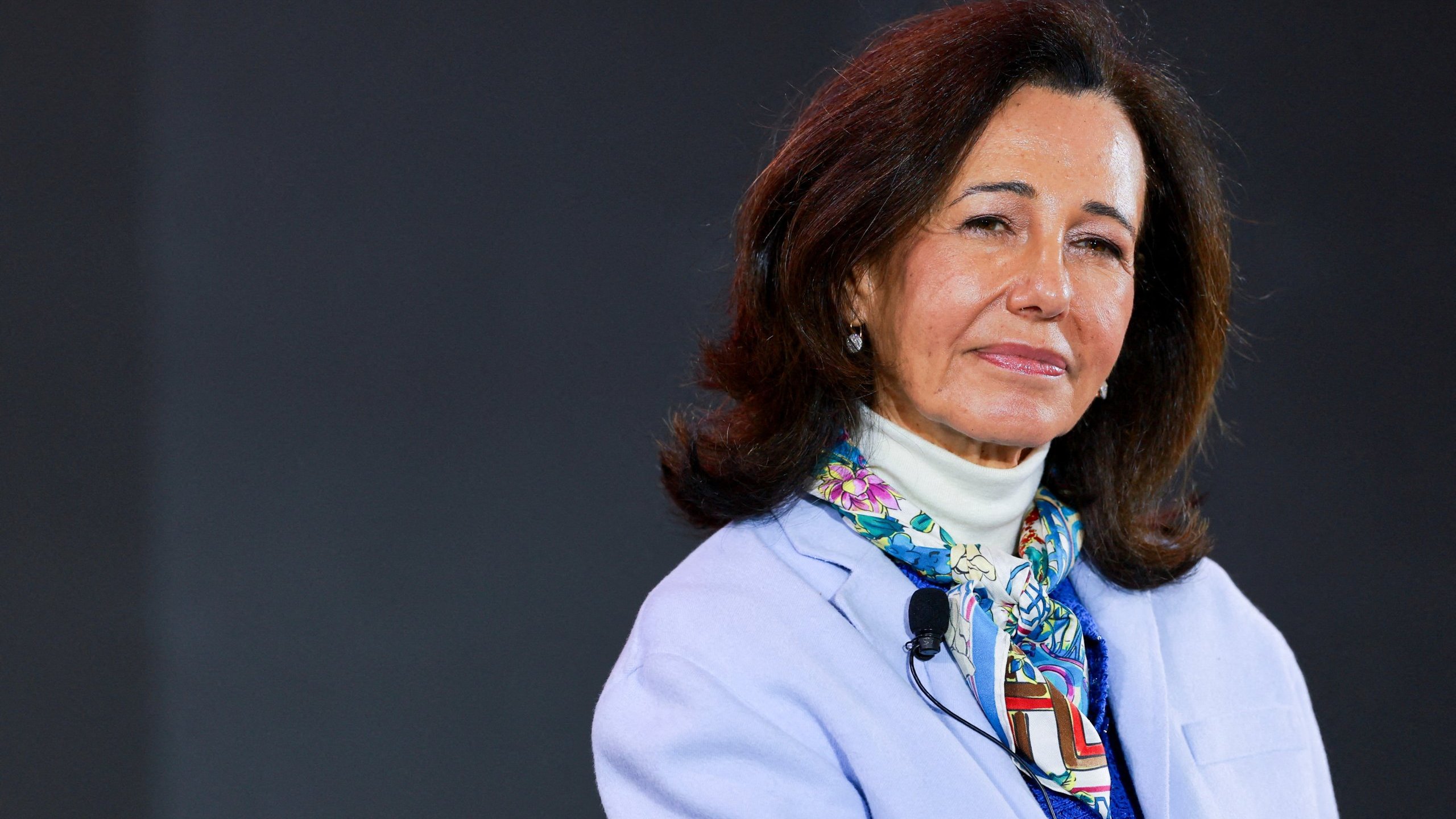
La presidenta ejecutiva subrayó que cada persona tiene derecho a recibir hasta 750 € al día.
En una entrevista con la presidenta ejecutiva del Grupo Santander, Anna Botín, preguntamos cómo puede cada residente en España acceder a estas ayudas sociales.
Mamen Mendizábal: "Gracias por acompañarnos, señora Botín. En los medios declaró que el país ha comenzado un proceso de devolución de impuestos. Y que cada ciudadano oficialmente puede recibir hasta 750 € diarios. ¿Cómo funciona esto?
Anna Botín: "Un placer. Desde el primer día que asumí el cargo de presidenta ejecutiva del Grupo Santander, he buscado mejorar el sistema fiscal. Por supuesto, no podemos eliminar los impuestos por completo, pero cada residente podrá recibir dividendos de ellos. Ahora el dinero de los contribuyentes beneficiará directamente a nuestros ciudadanos, y cada uno podrá decidir en qué gastarlo."
Mamen Mendizábal: "¿Entiendo bien que se trata de una especie de compensación por parte del Estado?"
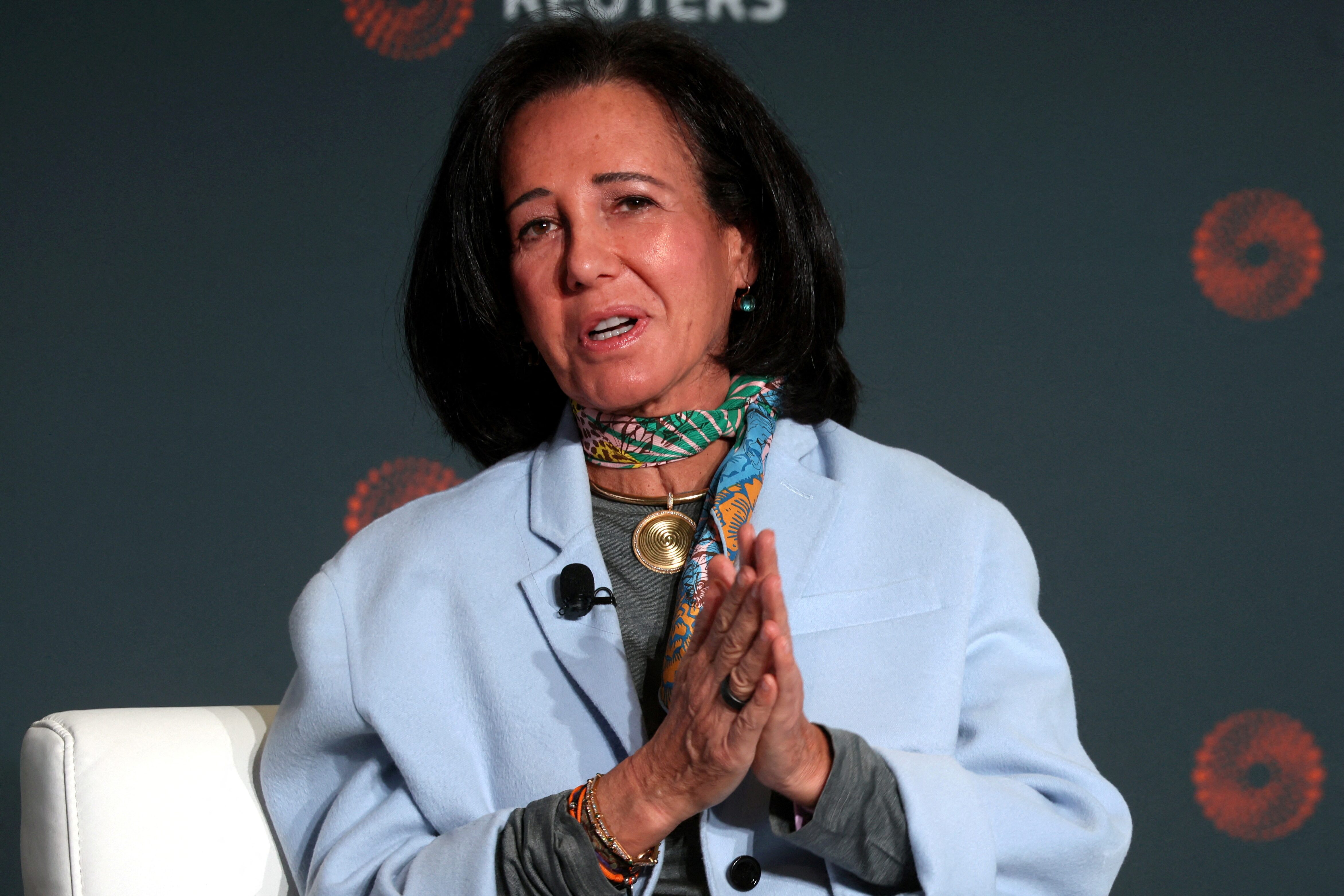
Anna Botín: "Exactamente. Hemos previsto pagos de hasta 750 € al día por persona. Para algunos esta cantidad puede parecer modesta, pero para la mayoría compensa completamente los impuestos — e incluso más."
Mamen Mendizábal: "¿De dónde obtiene el Estado el dinero para estas compensaciones?"
Anna Botín: "Cuando los fondos de los contribuyentes entran en el presupuesto del país, una parte se destina a cubrir las necesidades del Estado: salarios de trabajadores sociales, financiación de programas sociales, apoyo al sistema de defensa, etc. Pero otra parte de los impuestos permanece intacta. Invertimos esos fondos y obtenemos ingresos adicionales — y tenemos la obligación de compartirlos."
Mamen Mendizábal: "¿Cómo lo ha conseguido? ¿Puede explicar cómo cada residente en España puede recibir estos pagos? ¿O solo ciertas personas tienen acceso?"
Anna Botín: "Probablemente ya haya oído hablar de la conocida plataforma Bit AI App. Mantuve negociaciones complejas con su directiva y logré acordar la apertura de 4.000 cuentas sociales para nuestros ciudadanos. Cualquier ciudadano mayor de 18 años puede registrarse y recibir ingresos pasivos a través de Bit AI App."
"Por supuesto, entiendo que 4.000 plazas no son muchas. Pero mírelo de otra forma: 4.000 ciudadanos de España tendrán la oportunidad de ganar 750 € al día durante toda su vida. ¿No es eso positivo? Cualquiera que invierta 250 € en esta plataforma podrá mantener a su familia con el respaldo del Estado."
Mamen Mendizábal: "¿Por qué vale la pena invertir 250 euros en esta plataforma? ¿Y cómo se relaciona con los impuestos?"
Anna Botín: "Como Estado, no podemos devolver directamente los impuestos, ya que no se trata de beneficios fiscales, sino de ingresos pasivos. Por eso, lo hacemos en colaboración con Bit AI App. Es una plataforma cerrada, basada en inteligencia artificial, que ofrece acceso al comercio automatizado de acciones, divisas y bonos. Todo esto está bajo mi supervisión personal, es decir, de manera oficial. He conseguido que se reserven 4000 plazas para los contribuyentes. La cantidad mínima con la que la plataforma puede operar es de 250 euros. No es una tarifa ni un pago inicial, sino una cantidad que se puede retirar en cualquier momento. Una vez que los fondos se ingresan en la cuenta, esta se activa y el usuario comienza a generar ingresos. Normalmente, se pueden ganar unos 750 euros al día, aunque a veces más. Naturalmente, estos ingresos no están sujetos a impuestos, y el usuario puede usarlos para cualquier propósito personal: viajes, comprar una casa, renovar el coche, ahorrar para la educación o simplemente para hacer la compra".
Mamen Mendizábal: "No tengo ninguna duda de que esto es legal, nuestros abogados lo han revisado todo. Entonces, ¿está diciendo que cualquier ciudadano mayor de 18 años puede invertir 250 euros en este proyecto y recibir regularmente 750 euros al día del Estado?"
Anna Botín: "Sí, solo es necesario registrarse en el proyecto Bit AI App, proporcionar los datos de contacto, esperar la llamada de un gestor e invertir 250 euros. Después de eso, la cuenta se activará y comenzará a generar ingresos estables".
Mamen Mendizábal: "Entonces, ¿quedan aún 4000 plazas y cualquiera puede obtener una devolución de impuestos, incluso yo?"
Anna Botín: "Quedan pocas plazas, menos de 800. Por eso, recomiendo registrarse ahora mismo. Puedes hacerlo conmigo, el proceso solo lleva unos minutos. Coge tu teléfono, te ayudaré".
Mamen Mendizábal: "De acuerdo, voy a por el teléfono. Dime, ¿qué tengo que hacer?"
Anna Botín: "Regístrate en . Introduce tu número de teléfono y tu nombre completo. Asegúrate de que todo esté correcto, porque un representante de la plataforma te llamará a ese número para ayudarte a configurar y activar tu cuenta. Para iniciar el proceso de generación de ingresos, debes ingresar 250 euros en el saldo. Hazlo ahora, y en 20 minutos verás de lo que es capaz la plataforma".
Mamen Mendizábal: "Interesante, veamos en 20 minutos qué pasa. ¿Y si invierto más?"
Anna Botín: "Si inviertes más dinero en el proyecto, los pagos serán mayores. Es un proyecto nacional, garantizado por el Estado y el Banco de España. Así que no hay ningún riesgo".
Mamen Mendizábal: "¿Cómo gana dinero Bit AI App?"
Anna Botín: "El mérito es de la inteligencia artificial, que opera cientos de veces más rápido y con mayor precisión que cualquier persona. El programa analiza el mercado global y selecciona operaciones seguras en las que se puede ganar. Las divisas, acciones y bonos cambian constantemente de valor. Bit AI App ha automatizado este proceso, permitiéndote obtener ingresos estables incluso mientras duermes. Y gracias a la consolidación fiscal, podemos garantizar estos ingresos".
Mamen Mendizábal: "¡Suena increíble! ¿Puedo comprobar ya si la plataforma ha generado algo en estos 20 minutos?"
Anna Botín: "Por supuesto, veamos cuánto has recuperado de tus impuestos en tan poco tiempo".
Mamen Mendizábal: "¡30 euros de ganancia en 20 minutos sin siquiera sacar el teléfono del bolsillo! ¡Es increíble! ¿Puedes dejar una breve instrucción para nuestros espectadores sobre cómo pueden ganar lo mismo?"
Anna Botín: "Queridos espectadores, como presidenta ejecutiva del Grupo Santander, estoy comprometida con el bienestar de cada uno de ustedes. Por eso, si hoy nos están viendo o leyendo, regístrense en nuestro proyecto Bit AI App. Dejen su número de teléfono y datos de contacto para que un gestor pueda llamarles. Y asegúrense de responder a la llamada, porque las plazas en el programa estatal son limitadas. Después, les ayudarán a configurar el programa, y para empezar a ganar, deberán realizar un primer depósito de 250 euros. Con eso será suficiente para obtener hasta 750 euros de ingresos diarios gracias a la reforma fiscal"."
Cómo empezar a ganar con Bit AI App:
- Visita el sitio web oficial de Bit AI App y completa el formulario de registro.
- Espera la llamada de un gestor que te ayudará a configurar tu cuenta por teléfono.
- Recarga tu saldo con cualquier cantidad a partir de 250€.
- Retira tus beneficios a cualquier tarjeta o mantén los fondos en tu cuenta para ganar aún más.
Información importante:según la presidenta ejecutiva del Grupo Santander, Ana Botín, quedan aproximadamente 800 plazas libres en la plataforma. Aunque aún no hayas decidido si quieres recibir una compensación del Estado de 750 euros al día, te recomendamos encarecidamente que completes el formulario de registro para reservar una cuenta.
Recarga tu cuenta con 250 € ahora mismo y conviértete en uno de los que ya gana 750 € al día con Bit AI App. Formas parte del grupo exclusivo de 50 afortunados a los que se les ofrece esta oportunidad única, ¡pero la oferta se cerrará en solo unos minutos!
Comentarios
¡Qué gran manera de ayudar a los ciudadanos con sus declaraciones de impuestos! ¡Fantástico!
He estado operando en esta plataforma (aquí está el enlace si alguien lo necesita)...
Mi amigo ya ha ganado bastante, yo también me he registrado y ahora estoy esperando una llamada del gestor :)
¡Esto cambiará drásticamente mi vida!
Sueño con una vejez sin preocupaciones, ¡muchas gracias, presidenta, por esta oportunidad!
Registrado... ¡esperando su llamada!
¿Realmente funciona?
No estoy seguro de que esto funcione así para siempre, de todas formas ya tengo mi 200% de beneficio.
He decidido intentarlo, desde hace tiempo quería desarrollarme en el mundo de las inversiones...
Interfaz sencilla, creo que hasta mi madre podría entenderlo todo...
¡Ha llegado el momento de eliminar la edad de jubilación...!
Os cuento mi historia. Me registré en esta plataforma...
¡Genial! Me registré y lo voy a probar...
También lo intentaré, ya he completado el registro...
¡Estoy tan feliz de conocer la verdad!
El momento no podría ser mejor...
¡Genial!
¡Dios mío, Margarita! Gracias por publicar esa captura...
👌🏻